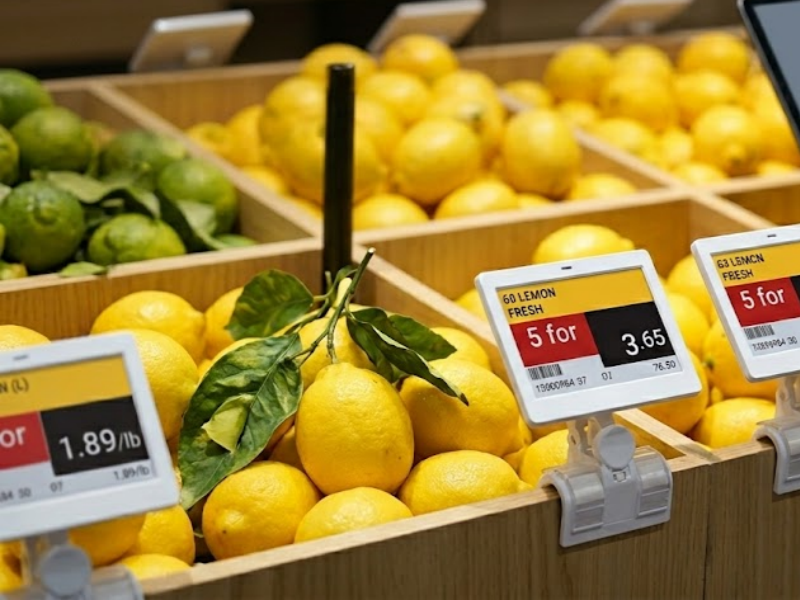
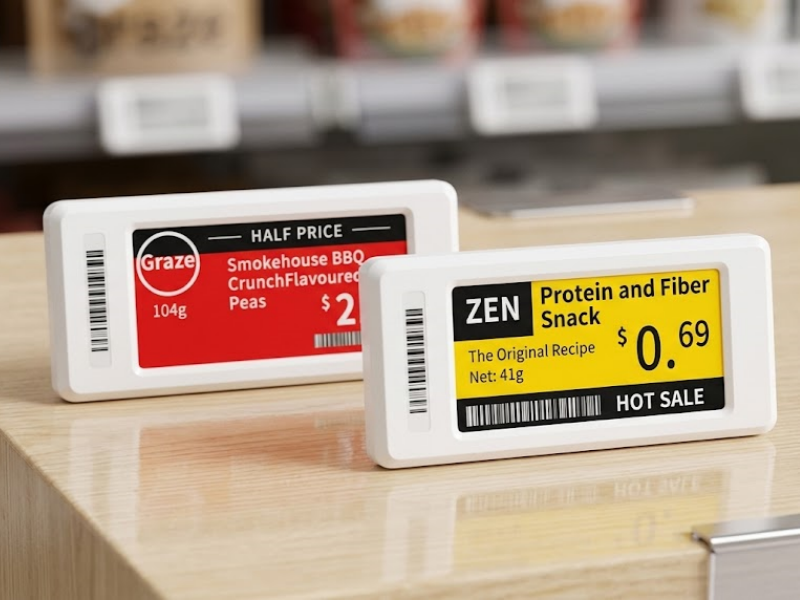
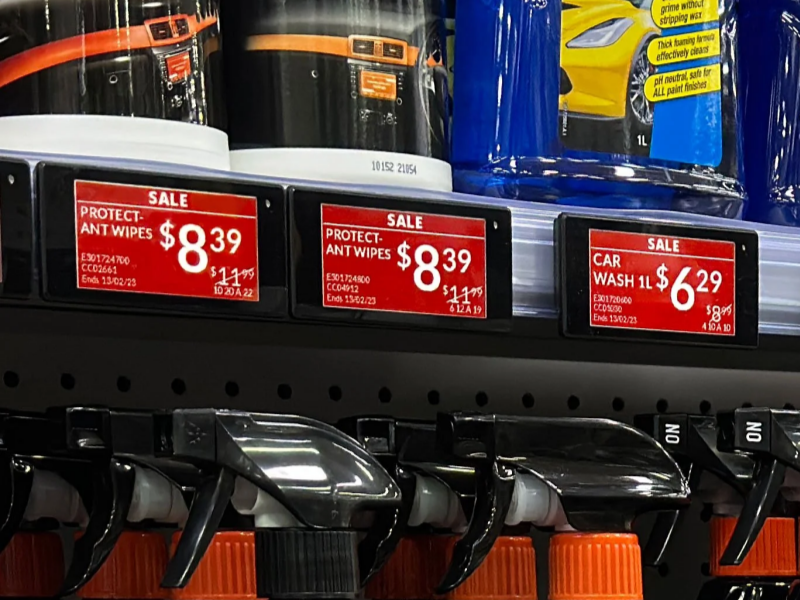
Electronic shelf labels were supposed to eliminate pricing errors - and they did solve the most obvious one: paper tags that didn't get swapped in time. But they introduced subtler problems of their own. A sync delay between the POS system and the shelf display, a promotion that failed to revert on schedule, a label that quietly lost its wireless connection days ago - any of these can leave a customer seeing one price on the shelf and another at checkout. The technology has improved, but the risk of a mismatch remains. And the legal, financial, and reputational stakes are no smaller for being digital.
The Cost of Getting It Wrong
Pricing accuracy laws in the United States are a patchwork, and they don't care whether your tags are paper or digital. Michigan requires retailers to pay customers a bonus of ten times the overcharge amount. Connecticut mandates that stores charge the lowest posted price, with a minimum $20 refund for overcharges. New Jersey fines retailers $50 to $100 per scanner violation. North Carolina can levy up to $5,000 per pricing error, and state inspectors there routinely audit 50 to 100 items at a time-fail twice, and fines are assessed per item. California's consumer protection framework allows civil penalties up to $2,500 per incident under the Unfair Competition Law.
At the federal level, the FTC draws a hard line against deceptive pricing. If a displayed price misleads a customer-whether on paper or on an e-ink screen-it falls under the same enforcement umbrella. The technology behind the display doesn't create a legal exemption.
Beyond the fines, there's the damage that doesn't show up on a balance sheet. A 2025 study from UC San Diego and the University of Texas at Austin, analyzing over 180 million product-level price observations, confirmed what most store operators already sense: grocery shoppers make decisions based on long-term trust, not single transactions. One pricing mismatch might be forgiven. A pattern of them sends customers to a competitor-and a social media post about it can travel faster than any corrective action.
Why ESL Systems Still Get Prices Wrong
Electronic shelf labels were built to eliminate the gap between system price and shelf price. And for the most part, they do. But "for the most part" isn't the same as "always," and understanding where ESL pricing errors come from is the first step toward preventing them.
The most common culprit is integration lag. Many ESL deployments connect to the store's POS or ERP system through batch file exports rather than real-time APIs. That means price changes entered into the back-end system might not reach the shelf for minutes, hours, or-in poorly configured setups-until the next scheduled sync cycle. During that window, the register and the shelf are telling two different stories.
Promotional failures are another frequent source. A weekend sale gets programmed into the system, the digital tags flip to the promo price on Friday morning, but nobody sets up the automatic revert. Monday rolls around and the tags still show Saturday's price while the register has moved on. The customer sees $4.99, the POS says $6.49, and you've got a compliance problem.
Then there's the silent offline label. E-ink displays hold their last image even when they lose power or connectivity-that's a feature of the technology, not a bug. But it means a label can sit on the shelf showing an outdated price for days without anyone realizing it's disconnected from the network. If the store has thousands of tags and no real-time health monitoring, these ghost labels accumulate quietly until a customer or an inspector catches one.
Finally, there are template and configuration errors. A product gets remapped to the wrong SKU in the system, or a regional pricing rule applies the wrong zone's markup. These aren't hardware problems-they're management layer problems. And they're exactly the kind of thing that scales across an entire chain if nobody catches them early.
What Smart ESL Management Actually Looks Like
The difference between an ESL system that occasionally gets prices wrong and one that virtually never does isn't the label hardware. It's the management infrastructure behind it. The labels are just endpoints. What matters is how pricing data flows from your central systems to those endpoints-and what happens when something in that chain breaks.

Real-time API integration is the foundation. Instead of relying on periodic batch exports, a properly architected system maintains a live connection between your ERP or POS platform and the ESL gateway. When a price changes in the back end, the shelf label updates within seconds-not on the next sync cycle. Systems built with direct ERP connectors for platforms like SAP, Oracle, and Dynamics eliminate the batch-sync gap entirely. The price in the register and the price on the shelf are always pulling from the same source, at the same time.
Scheduled promotions with automatic revert solve the Monday-morning problem. Rather than relying on a staff member to remember to reset prices after a sale ends, the management platform lets you program both the start and end of a promotion in advance. The tags flip to the promo price at the scheduled time and flip back when it expires-even at midnight, even on a holiday, even if nobody's in the store. This is especially critical during high-frequency promotional cycles like Black Friday or back-to-school, when a single store might run dozens of overlapping offers across different departments.
Real-time label health monitoring is what catches the problems that humans miss. Every tag in the network reports its status-battery level, connectivity, last successful update-back to a centralized dashboard. If a label goes offline, the system flags it immediately so the store team can respond before a customer finds a stale price. This is a fundamentally different operating model from walking the aisles and visually spot-checking tags, which is how most pricing audits still work even in stores with ESL installed.
Multi-store centralized control matters for any retailer operating more than one location. A single dashboard that manages pricing across every store means a corporate price change propagates simultaneously to all locations-no store-by-store file uploads, no regional lag, no version mismatch. It also means you can run zone-based pricing strategies, test different price points in select markets, and ensure compliance consistency across jurisdictions with different regulatory requirements.
Where LCD Price Screens Add Another Layer
Standard e-ink shelf labels handle the high-volume, everyday pricing job well. But there are spots in a store-endcaps, promotional islands, high-margin product zones-where a static black-and-white tag isn't enough. That's where LCD digital price screen displays come in.
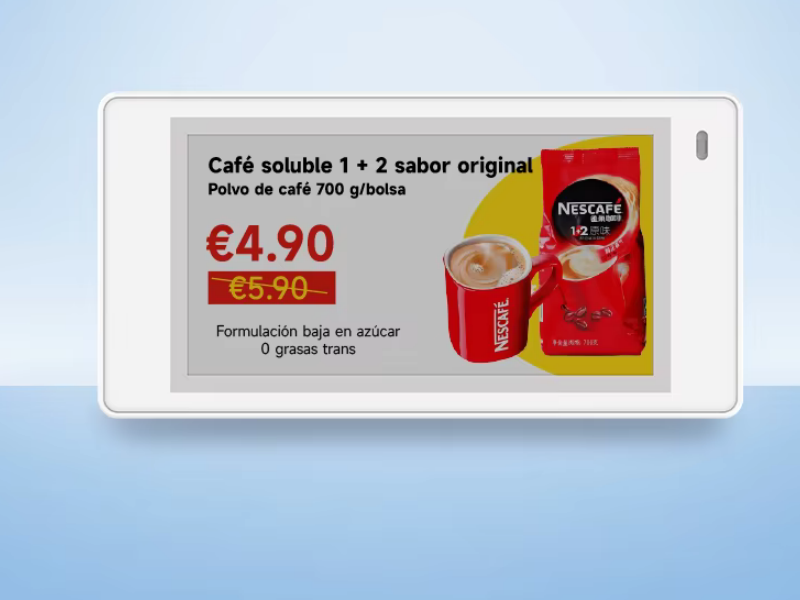
These larger-format screens can show product videos, rotating promotional graphics, and rich product information alongside the price. More importantly from a compliance standpoint, they pull from the same centralized pricing system as the e-ink tags. So when a promotion ends or a price changes, the LCD display updates in sync with every other label in the store. There's no separate content management silo creating opportunities for price mismatches between the shelf edge and the feature display three aisles over.
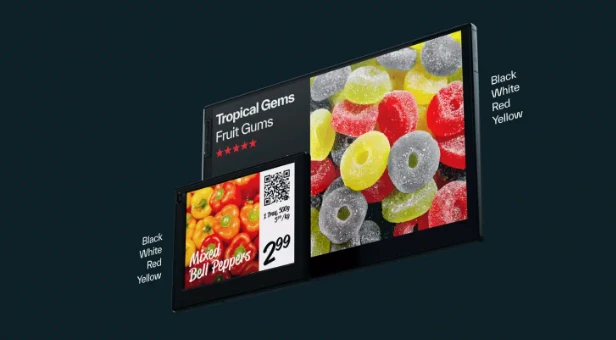
For retailers selling high-ticket items-electronics, appliances, premium spirits-the combination of accurate real-time pricing and visually engaging product content at the point of decision has a measurable impact on both conversion and customer confidence. When the price on the screen matches the price at the register without exception, the checkout experience becomes frictionless.
Lessons from the Largest ESL Deployment in the U.S.
Walmart's rollout of electronic shelf labels across 2,300 stores is the most closely watched ESL deployment in American retail. The scale alone is staggering: a typical Walmart carries around 120,000 individual items, each one needing an accurate, synchronized price tag. Before digital labels, updating all of those prices after a weekly ad change took associates roughly two full days. With ESLs tied to a centralized management system, the same update now takes minutes.

But Walmart's experience also illustrates why the management layer matters as much as the hardware. At that scale, a configuration error in the pricing system doesn't affect one tag-it can cascade across thousands of stores simultaneously. The safeguard is the same set of principles that apply to a five-store regional chain: real-time sync, automated promotion scheduling, continuous health monitoring, and a single source of pricing truth. The operational data from Walmart's ESL deployment reinforces that the ROI of digital shelf labels isn't just in labor savings-it's in the compliance risk and customer trust issues you never have to deal with because the system caught the error before a shopper did.
Building a Pricing Accuracy Strategy That Holds Up
Whether you're already running ESLs or evaluating your first deployment, pricing accuracy should be treated as a continuous process, not a one-time technology purchase. Here's what that looks like in practice.
Start by auditing your current mismatch rate. Pull 100 items across departments, compare the shelf display to the register, and calculate your error percentage. If you're above two percent, you're in the zone that triggers regulatory action in states with active enforcement. Even if you're below that threshold, any pattern of mismatches signals a gap in your sync architecture or your promotion management workflow.
Evaluate your integration method. If your ESL system is still running on batch file imports rather than live API connections, you have a built-in delay that creates pricing exposure every time it runs. Moving to real-time integration is the single highest-impact change most retailers can make to improve shelf accuracy.
Set up automated promo lifecycle management. Every promotion should have a defined start time, end time, and revert rule built into the system before it launches. Manual resets are where promotional pricing errors live.
Use your dashboard data. If your ESL platform tracks label health and update confirmation-and it should-review those reports weekly. A label that hasn't reported in for 48 hours is a label showing an unverified price. Catching these proactively is orders of magnitude cheaper than catching them during a state inspection.

If you're in the market for a system that addresses these layers comprehensively-from e-ink labels with multi-color display and NFC to centralized multi-store management with ERP-level integration-spend time understanding what the full software and hardware stack looks like before committing. A thorough ESL buying guide that covers real-world deployment considerations is worth more than any spec sheet.
The Bottom Line
Wrong price displays aren't a paper-tag problem. They're a system management problem. And in a regulatory environment where states are tightening enforcement and consumers are less forgiving than ever, the retailers who treat pricing accuracy as a strategic function-not a back-office chore-are the ones who avoid the fines, keep the trust, and stay ahead of the compliance curve. The shelf edge is the last three feet between your customer and a purchase decision. Making sure the number on that display is right, every time, isn't optional. It's the baseline.